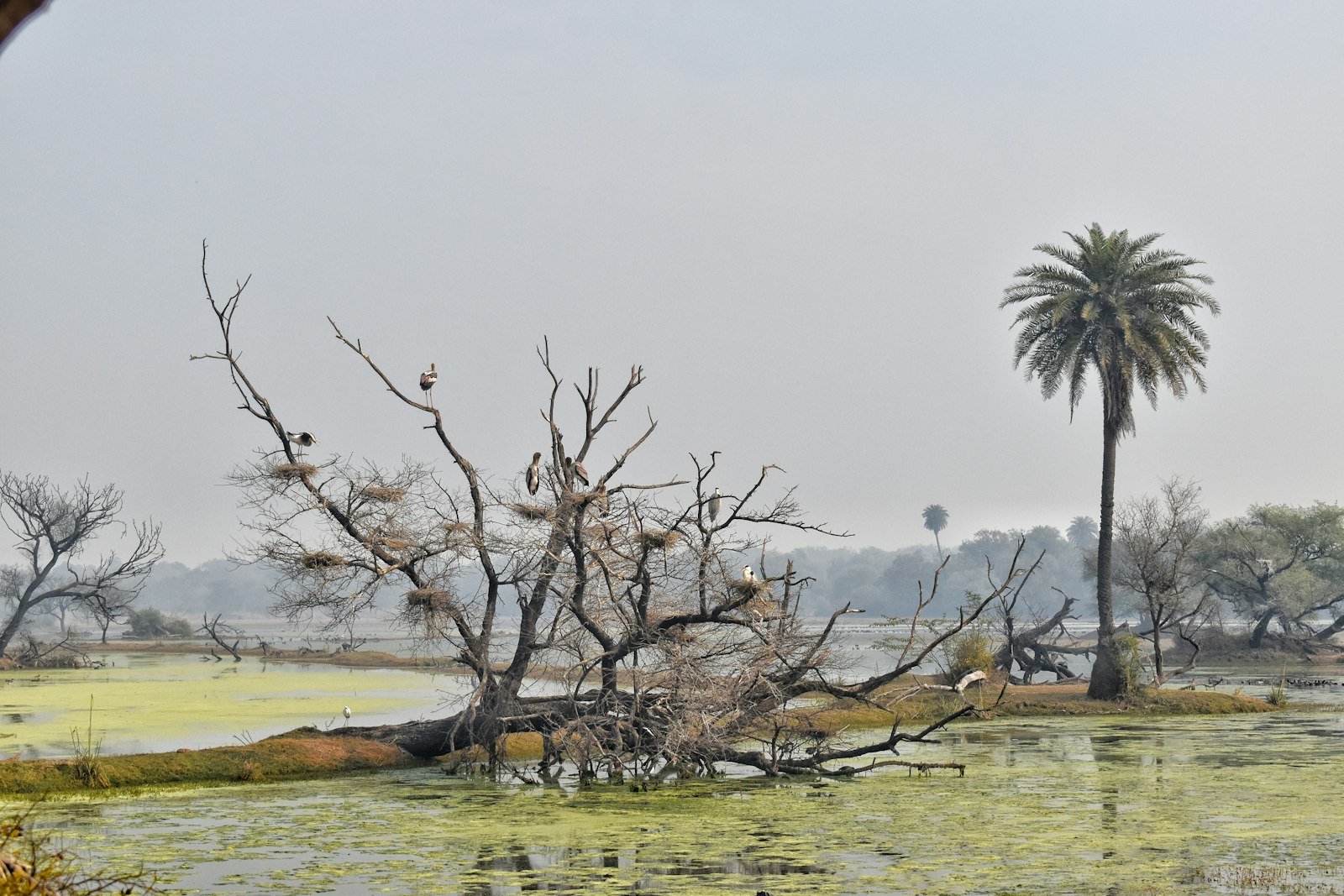
Featured photograph: Bharatpur wetland by Rishabh dev / Unsplash.
For a first visit to Keoladeo National Park in Bharatpur, choose an authorised rickshaw if reducing physical effort and having help interpreting the wetland matter most. Walk if you enjoy patient observation and are happy to keep your route modest. Hire a park-registered cycle if everyone rides confidently and wants more independence. The best choice is the one that leaves you comfortable enough to stop and look.
A useful starting plan: protect one unhurried morning, choose your transport at the entrance, and agree a return time before heading out. A car transfer to Bharatpur and your movement inside the park are separate arrangements.
In this guide: choosing your way around; allowing enough time; fitting the park into a road trip; questions at the gate; common questions.
Keoladeo: walking, cycling or a rickshaw?
The Rajasthan Forest Department’s visitor guidance lists walking, park-registered cycles and rickshaws as ways to explore. It also describes registered nature guides and knowledgeable rickshaw pullers. Availability, the route and the kind of interpretation you want still need to be agreed for your particular visit. Rickshaw arrangements have changed: a Wildlife Institute of India report of a 2023 park managers’ meeting describes a transition from pedal rickshaws to electric rickshaws. Confirm the vehicle type currently operating, rather than assuming a pedal service will be available.
Walk for a smaller route and patient stops
Walking suits visitors who would rather linger over one patch of water than try to cover everything. You can pause whenever something catches your eye, without getting off a bicycle. It is a good choice for a short introduction when the whole group is comfortable walking and returning along the planned route.
The trade-off is effort and distance. Do not judge the outing only by the time spent watching birds: you also need to walk back. Agree a turnaround point early, carry drinking water and leave room for a rest. For a mixed-ability group, plan around the person who wants the shortest walk, rather than assuming everyone can manage the same distance.
Cycle for independence, if you are confident riding
A park-registered cycle can suit confident riders who enjoy deciding when to stop. It gives you a different balance between movement and observation, but riding is not the same as birdwatching. Stop safely before using binoculars or a camera, and avoid making the ride a race to cover more ground.
Check the cycle’s fit, brakes and condition before accepting it. For children or less confident riders, confirm suitable equipment and current permitted routes before committing. A family does not need to choose cycling simply because the adults enjoy it; an uncomfortable rider can turn a gentle morning into a tiring one.
Choose a registered rickshaw to reduce exertion
A rickshaw is the strongest starting option when you want to conserve energy while moving through the park. It can also add interpretation: the Forest Department describes registered rickshaw pullers as knowledgeable about the park. Tell the person arranging your visit whether you mainly want quiet observation, an introduction to the habitat, or help identifying birds.
Confirm what is included rather than assuming every ride comes with the same guiding service or language. Ask how charges are calculated, whether waiting is included and when the hire ends. A rickshaw reduces walking effort; it does not establish wheelchair access or guarantee that boarding will suit every traveller. Discuss the practical transfer into the seat beforehand if that matters to you.
How much time should you leave?
Our planning recommendation is to reserve a morning, rather than squeeze Keoladeo into a spare hour. For a first introduction, allow roughly two to three hours inside the park, plus entrance arrangements and a relaxed break afterwards. This is a suggested allowance, not an official visit duration or a promise of how much you will see. Enthusiastic birdwatchers may prefer considerably longer.
Keep the outing flexible. If you choose a short walk, decide when to turn back before fatigue becomes the deciding factor. If you hire a cycle or rickshaw, include stops in the agreed return time. A drink and a proper rest before the next drive are more useful than another hurried sight squeezed into the same day.
The Forest Department lists opening from sunrise to sunset and recommends early morning or late afternoon. Check the day’s arrangements before travelling; do not convert those descriptions into a fixed year-round clock time. Its seasonal guidance places migratory arrivals in October–February. That is a planning context, not a guarantee of a particular bird or viewing conditions.
A park visit and a moving day need different plans
If birds are a main reason for visiting Bharatpur, staying nearby the night before gives you a more dependable start than a long same-morning transfer. Treat your actual hotel location, sleep and breakfast needs as part of the plan. An early start only helps if it is realistic for the people travelling.
After a long flight or substantial road journey, keep any arrival-day visit optional and short. A late arrival is not a reason to chase a full circuit before sunset. Put the main visit on the following morning where your itinerary allows, then leave time for lunch and a break before continuing.
When Bharatpur is a stop between hotels, work backwards from the arrival you want at the next hotel. Include the park visit, entrance arrangements, lunch, comfort breaks and the onward drive separately. Ask for a current route estimate based on your actual addresses; this guide does not give a universal transfer time.
If you are building on a wider tour plan, treat Bharatpur as a deliberate addition with its own time allowance. Compare the other destinations in your Rajasthan plan before adding more stops to that moving day.
Explore the Rajasthan tour options and discuss where a Bharatpur morning fits before fixing the day’s other visits. For the road journey, compare the vehicle choices against your group and luggage; that selection is separate from transport inside Keoladeo.
Five questions to settle before entering
What is available today? Confirm registered cycles, rickshaws or a nature guide rather than relying on an old tariff or someone else’s visit.
What does the quoted amount cover? Ask about the billing interval, waiting, guide service and any separate entry charges.
What route fits our energy and interests? Explain whether you want a short introduction, photography stops or longer observation.
How will we return? Agree the finishing place and time, including a margin for returning hired equipment.
What needs confirming for this traveller? Ask about boarding, walking surfaces, equipment or language where relevant. Do not treat a general description as an individual accessibility assessment.
Bring binoculars if you have them, sun protection and water. Keep observations quiet, allow wildlife space and follow the park’s current instructions. Enjoying a wetland is not a checklist of guaranteed sightings: a patient stop can be more rewarding than constantly changing location.
Questions before your Keoladeo visit
Is a rickshaw better than walking for a first visit?
An authorised rickshaw is a sensible first choice if you want less exertion and help interpreting the park. Walking suits a modest route with frequent pauses. Decide according to the group’s comfort and interests, then confirm the current arrangements, rate and service included at the entrance.
Can we take our tour car around the park?
Plan your tour car as transport to and from the park, then confirm the permitted internal options separately. The Forest Department describes walking, registered cycles and rickshaws, and also lists battery-operated vehicles. Do not assume that an ordinary car booking includes internal park transport or that every option is available on your date.
Is an afternoon visit worthwhile?
A late-afternoon visit can work: it is one of the periods recommended by the Forest Department. Leave enough time to enter, explore and return before the day’s closing arrangements. After a delayed transfer, a short optional visit is a better plan than promising the full experience in the remaining daylight.
Should we book the transport and guide in advance?
Confirm current arrangements ahead of the visit if a particular language, boarding requirement or style of guiding is important. Recheck availability and charges with the park or the service arranging it. This article does not quote tariffs or promise a booking method because those details need confirmation for your travel date.
Request a Rajasthan itinerary with a relaxed Bharatpur visit. Share your hotel stops, preferred walking pace and whether birdwatching is a main interest.
Visitor arrangements checked against Rajasthan Forest Department guidance on 25 October 2026. Suggested visit lengths and pacing are editorial recommendations; confirm current arrangements before travel.